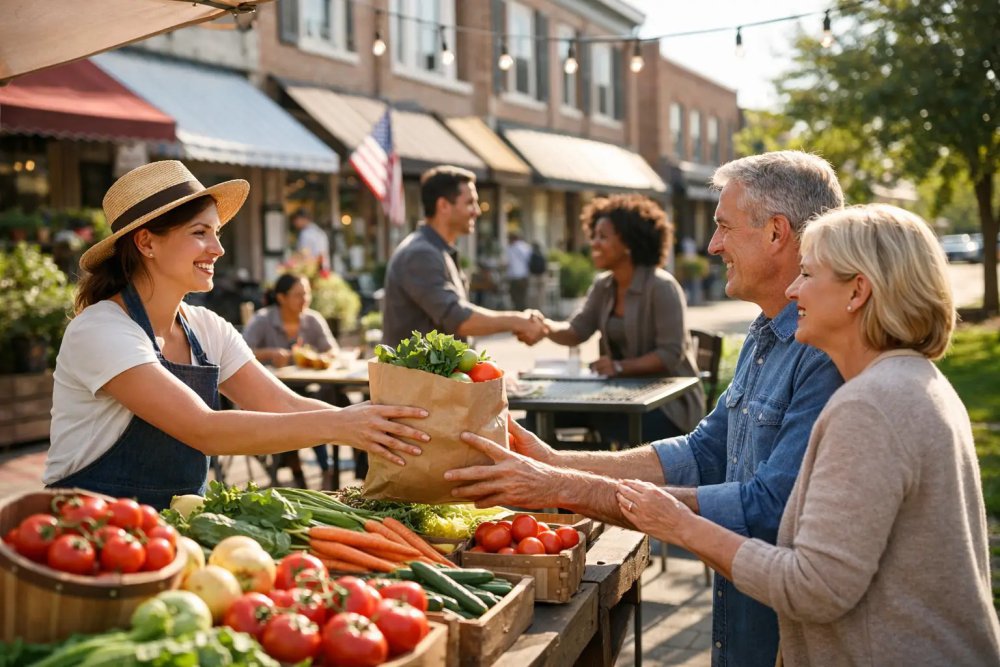
Picture a busy Friday in South Hampshire. A couple heads out for dinner in Southampton, a family books a local attraction for the weekend, and someone else treats themselves to a spa evening in Portsmouth. On the surface, it looks like a normal run of plans. But if you have ever wondered how does supporting local businesses help the community, this is where the answer starts - with everyday spending that stays close to home and keeps good things moving.
Local businesses do more than sell products, serve meals or host experiences. They create jobs, bring character to the high street and give people more reasons to enjoy where they live. When residents choose nearby venues, shops and services, they are not just making a purchase. They are helping shape the kind of community they want around them.
How does supporting local businesses help the community in real terms?
The clearest impact is money staying in the local area for longer. When you spend with a nearby restaurant, theatre, salon or activity provider, that business is more likely to pay local staff, use nearby suppliers and reinvest in the area. That creates a ripple effect. One booking can help cover wages, order stock from another local company and fund the next seasonal promotion that brings in more visitors.
That ripple matters in places like Southampton and Portsmouth, where independent businesses help give each area its own identity. National chains can offer convenience, but local businesses are often the ones creating memorable nights out, one-off experiences and personal service you actually talk about afterwards. They make a place feel lived in rather than interchangeable.
There is also a practical side. Strong local trade helps fill empty units, keeps town and neighbourhood centres active, and gives people more reasons to spend their free time nearby instead of travelling elsewhere. That can support footfall across whole streets, not just for one business at a time.
Local spending supports local jobs
This is one of the biggest benefits, and it is easy to underestimate. Small and medium-sized businesses employ people from the area, often across a wide mix of roles. That includes front-of-house teams, chefs, cleaners, therapists, technicians, event staff, administrators and part-time weekend workers.
For many people, local businesses are where they get their first job, pick up flexible work or build experience in hospitality and leisure. When those businesses do well, they can keep staff on more consistently, increase hours and sometimes expand. That stability matters to households, especially when living costs are tight and people want opportunities close to home.
It is not always straightforward, though. Local businesses can face higher operating pressures than bigger national brands, especially around rent, staffing and energy bills. Supporting them does not magically remove those pressures, but it can give them a better chance to plan ahead and stay resilient.
It helps keep high streets and local centres alive
A busy local area feels different. Cafes are open, restaurants are taking bookings, entertainment venues have people coming through the doors, and nearby businesses benefit from the extra passing trade. That energy is hard to manufacture. It comes from people choosing to spend locally, regularly and with intention.
When independent businesses struggle, the effect is visible quite quickly. Fewer visitors can lead to shorter opening hours, less investment and more empty premises. Once that starts, other businesses nearby feel it too. Supporting local firms helps protect the mix of places people actually want to visit, whether that is for food, family days out or a proper evening out.
For communities in South Hampshire, that matters because local experiences are a big part of what makes the area enjoyable. If residents back those businesses, they are backing the social life of the region as well.
Better local experiences create stronger community pride
People are more likely to feel positive about where they live when there is something to do, somewhere to go and businesses they genuinely enjoy supporting. That sense of pride is not just about landmarks or waterfront views. It is built through repeated local experiences - dinner with friends, a date night at the theatre, a golf day, a hotel stay nearby that feels like a proper treat without a long journey.
Local businesses are often better at reflecting the character of the area because they are part of it. They know their customers, understand local preferences and can shape what they offer around real demand rather than a national template. That often leads to more relevant events, better service and experiences that feel personal.
This is one reason locally focused prize platforms can work well when done properly. They do not just create excitement for entrants. They also put attention on nearby venues and help more people discover what is available on their doorstep. For businesses, that can mean new customers. For residents, it can mean trying places they might otherwise have missed.
Local businesses often give back in ways bigger brands do not
Plenty of local business owners support school raffles, sponsor grassroots teams, donate prizes to charity events or back community campaigns. They are often involved because they live nearby and care about what happens in the area.
That kind of support is easy to overlook because it does not always come with a big marketing campaign attached. But it helps local events happen, gives community groups extra visibility and keeps networks strong between businesses and residents.
Of course, not every small business can sponsor events or donate regularly. Margins can be tight. Still, many contribute in quieter ways - by offering local discounts, creating welcoming spaces, employing local people or collaborating with neighbouring businesses to bring in more trade for everyone.
How does supporting local businesses help the community beyond money?
The answer is connection. Local businesses create everyday meeting points. They are where people celebrate birthdays, catch up with mates, plan date nights, take the kids out during school holidays or simply enjoy a change of scene after a long week.
That social value is easy to miss because it feels ordinary. But ordinary places matter. Communities are stronger when people have familiar, trusted spaces nearby. Independent venues often become part of local routine and memory in a way larger, less personal brands rarely do.
There is also a confidence factor. When people see local businesses doing well, opening new offers and staying busy, it creates a more positive feeling about the area overall. It signals that the community is active, supported and worth investing in.
It gives smaller businesses a fairer chance to be discovered
One challenge for local businesses is visibility. A great restaurant, family attraction or boutique hotel can still be overlooked if its marketing budget is limited. That is why local word of mouth, repeat custom and community-led promotion matter so much.
When residents share recommendations, buy gift vouchers, book local experiences or enter competitions tied to regional prizes, they help smaller businesses reach new audiences. That can be especially useful for hospitality and leisure brands, where getting someone through the door once can lead to return visits later.
There is a clear trade-off here. Consumers naturally look for value, and local options are not always the cheapest on paper. But price is only part of the picture. Service, convenience, atmosphere and the wider benefit to the local area all count too. In many cases, supporting local means getting a better experience, not just making a feel-good choice.
Small choices add up faster than people think
You do not need to overhaul all your spending habits to make a difference. Booking one local activity instead of travelling elsewhere, choosing a nearby restaurant for your next meal out, or trying a local leisure offer you have not considered before can all contribute.
What matters most is consistency. A community is not strengthened by one big gesture from one person. It grows when lots of people make small, repeat decisions that keep local businesses visible and viable.
That is why accessible local promotions and prize draws can play a useful role. They lower the barrier to trying something new, bring fresh attention to local venues and make premium experiences feel more attainable. For customers, that means excitement and value. For partner businesses, it means reach, awareness and the chance to turn interest into long-term loyalty.
Supporting local is not about guilt or pretending every small business is perfect. Some will offer a brilliant experience, some will need to improve, and some may not be right for every budget. But when local businesses are good at what they do, backing them helps create more jobs, more energy and more reasons to enjoy the place you live.
If you want stronger high streets, better local days out and a community that feels active rather than hollowed out, the answer is often closer than you think - start with the businesses around you.